The rise of Smart Hotels has transformed the hospitality landscape. According to a report by the American Hotel & Lodging Association, 58% of guests prefer properties that offer advanced technology features. Smart Hotels leverage IoT and automation to enhance guest experiences, making stays more efficient and enjoyable. Features like mobile check-in and smart room controls exemplify this trend.
Moreover, a study by PwC indicates that 70% of travelers are willing to pay more for digitally enhanced services. Smart Hotels not only improve convenience but also focus on sustainability. For instance, smart energy management systems help reduce carbon footprints and operational costs. However, there are challenges. Integration of technology can be costly and requires staff training. Some guests may feel overwhelmed by the tech-savvy environment.
As Smart Hotels evolve, maintaining human interaction remains crucial. Balancing technology with personalized service is essential. The key features define the guest experience but must also consider the varying preferences of travelers. Insights into these dynamics can help shape the future of hospitality.
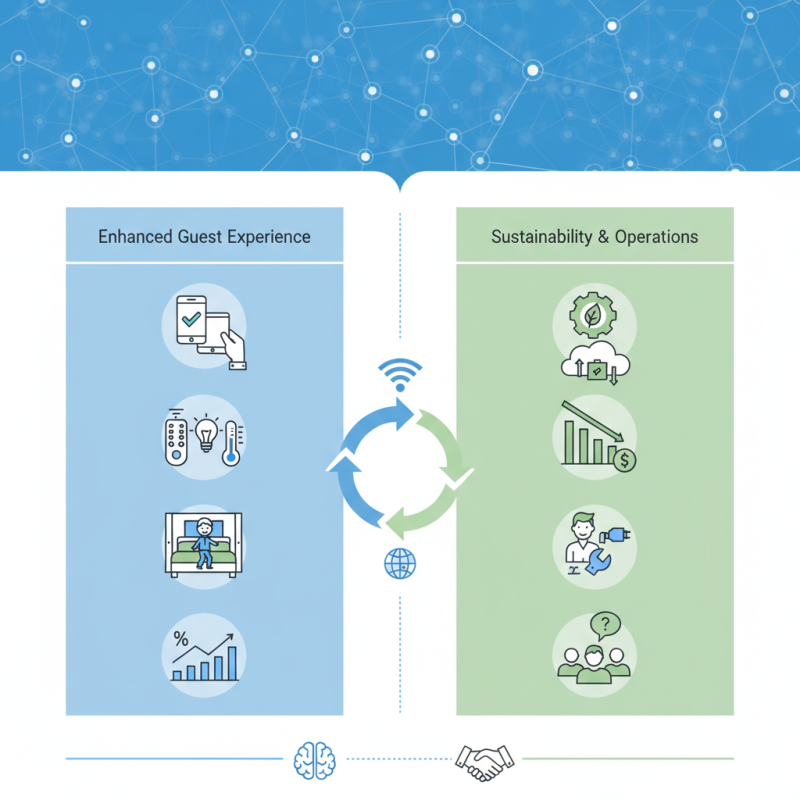
Smart hotels leverage technology to enhance guest experiences. These establishments integrate various systems for seamless operations. A recent report by a hospitality analytics firm revealed that over 70% of guests prefer hotels with advanced tech features. This shows a clear trend toward digital solutions in the hospitality industry.
Key features often include mobile check-in and room selection. Guests can control lighting, temperature, and entertainment through their smartphones. According to a survey, 65% of travelers appreciate the convenience of smart room controls. However, the reliance on technology raises concerns. Network failures may disrupt the experience, affecting guest satisfaction.
Data security is another crucial aspect. As smart hotels gather vast amounts of personal information, the risk of breaches increases. Nearly 40% of hotel executives cited cybersecurity as a major challenge. Ensuring robust protection measures is essential for maintaining trust and credibility with guests. The balance between convenience and security is a topic for ongoing reflection in this evolving landscape.

The integration of smart room controls significantly enhances the guest experience in modern hotels. According to a recent industry report by Statista, 67% of hotel guests value the ability to personalize their room environment. This desire for customization drives hotels to invest in smart technologies. Guests can control lighting, temperature, and entertainment systems through mobile apps or voice-activated devices. These features create a tailored atmosphere that meets individual preferences.
When it comes to smart rooms, the technology behind them needs to be user-friendly. A study by Deloitte shows that 45% of hotel guests are frustrated by complicated technology. Simple interfaces and intuitive controls are essential. Guests shouldn't have to spend their stay figuring out how to operate devices. A smoother experience can encourage them to return.
However, while smart controls offer numerous benefits, hotels must not ignore security. Cybersecurity is a growing concern in the hospitality sector. The same report reveals that 30% of travelers worry about data breaches. Hotels need to ensure that connected devices are secure to maintain guest trust. So, while smart technologies can elevate the guest experience, hotels must address privacy and security challenges effectively.
Smart hotels integrate energy efficiency deeply into their design and operations. Sensors automatically adjust lighting and temperature based on occupancy. This reduces waste and lowers energy bills. For example, guest rooms can dim lights or turn off air conditioning when unoccupied. Such technology requires careful calibration to avoid discomfort, showing that these systems still need improvement.
Sustainability initiatives in smart hotels often include water-saving fixtures and renewable energy sources. Low-flow showers and smart faucets help conserve water while maintaining guest satisfaction. Solar panels or wind energy can supplement power needs. While effective, the upfront cost and maintenance complexity can challenge some properties. These efforts demonstrate a commitment to eco-friendly practices but also reveal areas needing innovation.
The integration of smart systems improves operational efficiency and environmental impact. Yet, the balance between guest experience and resource savings remains delicate. Continuous monitoring and updates are crucial to avoid over-automation that could frustrate guests. Smart hotels exemplify progress but also remind us that technology alone isn’t a perfect solution.
Smart hotels are increasingly integrating advanced technologies to enhance guest experiences. However, the rise of these innovations also brings new security concerns. Implementing robust data security measures is crucial to protect guest information and maintain trust.
Encryption is a key feature in securing sensitive data. When guest information is transmitted, it should be encrypted to prevent unauthorized access. Regular security audits are also important. They help identify vulnerabilities in the system.
**Tips:** Always choose hotels that prioritize data protection. Look for clear privacy policies.
Another effective measure is staff training. Employees should understand potential risks associated with smart technologies. Awareness can help prevent data breaches.
**Tips:** Ask about training procedures when booking. A well-informed team enhances security.
Lastly, maintaining software up-to-date is vital. This reduces the risk of exploitation through outdated systems. Regular updates can protect guest data from potential threats.
**Tips:** Check if the hotel has a schedule for regular updates. Knowing this can give peace of mind.
AI and IoT are revolutionizing hotel operations. These technologies enhance guest experiences and improve efficiency. Smart hotels utilize connected devices to streamline activities. For example, guests can control room settings via smartphone apps. This not only adds convenience but also personalizes their stay.
The Internet of Things plays a critical role in this transformation. Sensors monitor energy usage and optimize HVAC systems. This leads to cost savings, making hotels more sustainable. AI-driven chatbots assist in customer service, providing quick responses to inquiries. However, integrating these technologies is not always seamless. Staff must adapt to new systems, which can lead to inconsistencies.
While the benefits are clear, challenges remain. Data security is a significant concern. Hotels must protect sensitive information while using smart technologies. Additionally, the reliance on automation may reduce the human touch, often essential in hospitality. Balancing efficiency with personalized service is crucial for a successful smart hotel.