How to Choose the Best Mini Robot Dog for Your Needs?
Choosing the best mini robot dog requires more than comparing appearance, speed, or app features. The right model should match your space, technical confidence, budget, and daily expectations. A robot that performs smoothly on a wooden floor may struggle on thick carpet or uneven tiles. That difference matters.
Industry data shows why this category deserves careful attention. The International Federation of Robotics reported nearly 205,000 professional service robots sold worldwide in 2023, representing approximately 30% annual growth. Its World Robotics 2024 report also identifies entertainment, education, and domestic assistance as expanding service-robot applications. These figures describe the wider robotics market, not mini robot dog sales alone. Still, they show a growing ecosystem behind sensors, motors, software, and customer support.
Market research reports from firms such as IDC and MarketsandMarkets similarly connect robotics growth with artificial intelligence, mobile platforms, and consumer automation. However, forecasts are not guarantees. Some reports combine industrial, commercial, and household robots, which can make the market appear more relevant than it is. That limitation deserves attention.
A practical evaluation begins with the floor beneath your feet. Check walking stability, obstacle detection, battery duration, charging time, noise, and replacement-part availability. Test whether the companion app feels clear after five minutes, not five weeks. Consider privacy settings and update policies too. Cheap hardware can become expensive when support disappears.
There is no perfect model.
This guide will compare mini robot dog options through real-use scenarios, measurable specifications, and expert-minded judgment. The goal is simple: choose a responsive, reliable companion that fits your routine, rather than buying the most impressive demonstration.

What Is a Mini Robot Dog and What Can It Do?
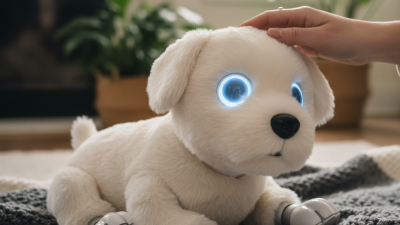
A mini robot dog is a compact, programmable machine designed to imitate a dog’s movement and behavior. Unlike a living pet, it relies on motors, sensors, cameras, and software. Its small frame may fit on a desk, shelf, or apartment floor. Many models can walk, turn, sit, climb small edges, and react to sounds or touch. Some can follow simple commands through a remote control or mobile application.
These robots can support basic learning about coding, robotics, and sensor technology. A child might program one to move forward, avoid a chair leg, or respond when someone claps. Some devices also record video, recognize obstacles, or patrol a room. Their value depends on sensor accuracy, battery life, noise level, and software stability. A robot that moves smoothly for ten minutes may become less useful if charging takes two hours.
When choosing one, consider the user’s age, floor space, technical skill, and purpose. A beginner may need clear controls and protective covers around moving parts. An advanced user may prefer programmable sensors and access to development tools. It is easy to overestimate a mini robot dog’s intelligence. It does not understand emotions like a real animal. It follows programmed patterns, and those patterns can fail around stairs, loose rugs, or poor lighting. Read technical specifications carefully, then test practical functions rather than trusting animated demonstrations. The cutest design is not always the most capable choice.
Which Features Matter for Your Intended Use?
Choosing a mini robot dog starts with its job, not its appearance. For indoor play, quiet motors, soft edges, and stable walking matter more than top speed. A learning-focused model should offer adjustable commands, responsive sensors, and simple programming tools. For outdoor use, check ground clearance, water resistance, and grip on loose surfaces. I test robots on rugs, door thresholds, and polished floors because showroom demonstrations hide small weaknesses. Those details often decide whether a robot feels useful or frustrating.
Battery life should match your routine. Ten minutes of active movement may be enough for demonstrations, but longer sessions need replaceable or quickly charging batteries. Check charging time, operating range, and what happens when the connection drops. A good control system should stop safely, not wander. Camera and microphone features also deserve attention. Review data settings, local storage, and permission controls before using the robot around family members or visitors. Convenience should not quietly reduce privacy.
Do not judge agility alone. Durable joints, accessible parts, and clear maintenance instructions can matter more over months of use. I once chose a faster machine and underestimated its noise; that was a poor trade for a small apartment. Look for transparent specifications, realistic demonstrations, and support from a reachable service team. Independent testing is useful, but it is not perfect. Compare several sources, then match the feature list to your space, skills, and patience. A robot with fewer abilities may be the better fit.
How to Compare Size, Mobility, Sensors, and Battery Life?
How to Choose the Best Mini Robot Dog for Your Needs?
A mini robot dog should fit your space, routine, and learning goals. Measure the area first. A compact model can turn easily between chair legs and table feet. However, very small bodies may struggle on thick carpets, door thresholds, or loose gravel. Check walking height, turning radius, and ground clearance instead of trusting appearance alone. Mobility matters more than a cute shape.
Compare sensors by purpose, not by quantity. Cameras support navigation and visual recognition, while distance sensors help detect walls and furniture. A reliable system should slow down before obstacles, not collide with them repeatedly. Ask whether sensors work in dim rooms, bright windows, and cluttered spaces. Battery life also needs careful reading. Runtime may change sharply when climbing, streaming video, or using continuous movement. A stated figure is usually measured under ideal conditions. Real use can be shorter. That difference deserves attention.
Tips:
Create a simple home test route with a rug, a low step, and a narrow passage. Observe stability, stopping distance, and recovery after a stumble. Keep notes during several sessions, because one impressive demonstration proves little. Check charging time, replacement battery access, and software update policies. These details affect long-term ownership. I would also leave a small performance margin. A robot that barely meets today’s needs may feel limited later. My own judgment can be imperfect, especially when specifications use different testing methods. Compare measured behavior, not marketing language.
What Safety, Software, and Maintenance Factors Should You Check?
Choosing a mini robot dog starts with safety, not speed or tricks.
Look for obstacle detection, low-force joints, stable footing, and a physical emergency stop. ISO 13482 provides a useful safety benchmark for personal care robots, although it does not certify every consumer model. Test the robot on rugs, stairs, and polished floors. Watch its paws near children and pets. A cheerful demo can hide poor braking.
Software deserves equal attention.
Check whether updates are signed, automatic, and still supported after purchase. The NIST Cybersecurity Framework 2.0 recommends identifying assets, protecting access, detecting events, responding, and recovering. Apply that cycle to the robot’s camera, mobile app, and Wi-Fi connection. Verizon’s 2024 Data Breach Investigations Report found the human element involved in 68% of breaches, so use unique passwords and separate guest networks. Local control is preferable when available. Cloud features are convenient, but convenience has a cost.
Maintenance should be visible and realistic.
Ask whether batteries, foot pads, sensors, and joint covers can be replaced without specialist tools. The U.S. Department of Energy reports predictive maintenance can reduce costs by roughly 8–12% compared with preventive maintenance. Track unusual heat, slower movement, charging changes, and grinding sounds. Keep a simple log. I would not trust a glossy maintenance promise without spare-part availability and clear service limits. Even careful owners miss small warnings. That is why a quiet weekly inspection matters more than impressive specifications.